analyzing unique defense arguments used in high-stakes DUI trials

Exploring Innovative DUI Defense Strategies
Driving Under the Influence (DUI) cases are notoriously complex, often involving a web of legal intricacies. In high-stakes trials, where defendants face severe penalties, defense attorneys have employed innovative strategies to challenge evidence and testimonies effectively. These approaches not only highlight the resourcefulness required in legal defenses but also underscore the complexities involved in DUI litigation.
Case Study: Challenging Breathalyzer Accuracy
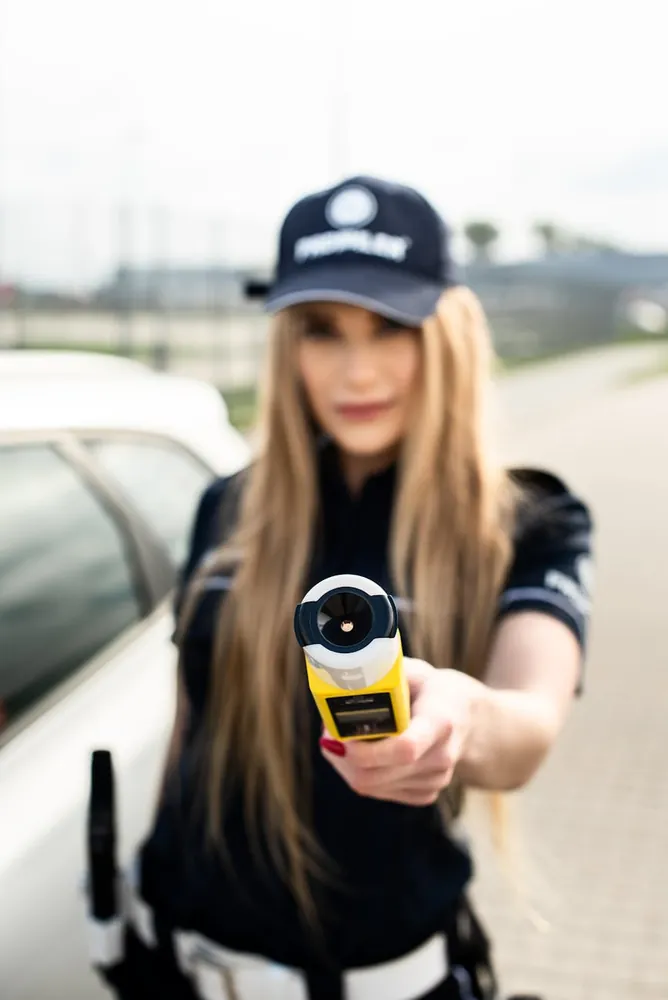
A frequently contested piece of evidence in DUI cases is the Breathalyzer test. In a landmark case, State v. Murphy, the defense successfully argued against the reliability of the Breathalyzer readings. The defense team meticulously deconstructed the device's maintenance records, revealing lapses in calibration. This approach demonstrated that even minor discrepancies in device maintenance could significantly alter results, leading to the acquittal of the defendant.
Legal Implications
This case underscored the importance of scrutinizing technological evidence. Attorneys learned to obtain and analyze detailed maintenance logs and cross-examine technicians responsible for calibrating such devices. The outcome prompted changes in how Breathalyzer evidence is treated, with courts increasingly demanding stringent documentation on device accuracy.
Exposing Faults in Field Sobriety Tests
Field sobriety tests (FSTs), often administered roadside, are another critical component of DUI cases. In the notable case Johnson v. Commonwealth, the defense highlighted environmental factors impacting FST reliability. Heavy rain and uneven road conditions were shown to impair the defendant's performance during the test.
Crafting a Defense Strategy
The defense strategy relied heavily on expert testimony from environmental scientists who replicated test conditions, demonstrating how adverse weather affected balance and coordination. The court was persuaded by this evidence, leading to a reduction in charges.
- Tip: Always consider environmental factors when preparing for a DUI defense involving FSTs.
- Tip: Engage experts who can provide empirical evidence on how these conditions affect test outcomes.
Cross-Examining Officer Testimonies
The credibility of police officers is often a cornerstone in DUI cases. In Taylor v. State, the defense successfully challenged an officer’s testimony by highlighting inconsistencies with body camera footage. The officer claimed erratic driving patterns; however, video evidence contradicted his observations.
Utilizing Modern Technology
This case exemplifies the growing importance of leveraging technology in legal defense strategies. With access to body cam footage, the defense could pinpoint discrepancies in real-time accounts versus recorded evidence. This case set a precedent for requiring body camera footage as standard evidence in future DUI trials.
Highlighting Alternative Explanations for Impairment
Another successful strategy involves presenting alternative explanations for impairment symptoms typically attributed to alcohol consumption. In Perez v. City, the defense argued that a medical condition caused symptoms resembling intoxication, such as slurred speech and poor coordination.
Incorporating Medical Expert Testimony
Medical experts testified about how the defendant’s recent surgical procedure impacted his physical state. The defense used medical records to corroborate this claim, resulting in an acquittal. This approach illustrates the necessity of exploring all potential non-alcohol-related causes for observed symptoms.
- Tip: Obtain comprehensive medical evaluations for clients showing physical symptoms that could be misinterpreted as impairment.
- Tip: Corroborate these findings with relevant expert testimonies to strengthen your argument.
The Role of Jury Perception
Jury perception can heavily influence trial outcomes. Innovative attorneys focus on creating narratives that resonate with jurors' values and experiences. For instance, humanizing the defendant or introducing relatable stories can pivot jury empathy favorably.
Narrative Crafting
An effective narrative strategy involves weaving a compelling story throughout the trial that highlights the defendant's character and context. This technique was effectively employed in Baker v. State, where the defense portrayed the defendant as a community-oriented individual caught in unfortunate circumstances rather than a habitual offender.
The jury's favorable perception led to more lenient sentencing and reinforced the critical role narratives play in courtroom dynamics.
Analyzing Blood Test Procedures
Blood tests are considered more reliable than breath tests but are not without vulnerabilities. In Garcia v. County, the defense exposed procedural errors during blood sample collection and analysis, challenging its validity.
Safeguarding Against Human Error
The defense focused on chain-of-custody procedures, highlighting lapses in sample handling that potentially contaminated results. By emphasizing procedural integrity failures, the defense cast doubt on prosecution evidence, resulting in reduced charges.
- Tip: Request complete documentation on blood sample handling and processing to uncover potential procedural missteps.
The Future of DUI Defense: Embracing Innovation
DUI defense continues to evolve with advances in technology and legal methodologies. Attorneys are increasingly integrating new scientific insights and technological tools into their strategies, such as utilizing mobile data to establish timelines or employing cutting-edge forensic analyses.
The success of these cases demonstrates the importance of creativity and thoroughness in crafting defense arguments. As laws become more stringent and enforcement technologies improve, staying ahead through innovation is crucial for legal practitioners specializing in DUI defenses.