Exploring the Legal Framework Surrounding BAC and DUI Enforcement
Understanding Blood Alcohol Concentration (BAC)
Blood Alcohol Concentration, or BAC, measures the amount of alcohol in a person's bloodstream. It is usually expressed as a percentage, with 0.08% being a common legal threshold for driving under the influence (DUI) in the United States. This percentage indicates that there are 0.08 grams of alcohol per 100 milliliters of blood.
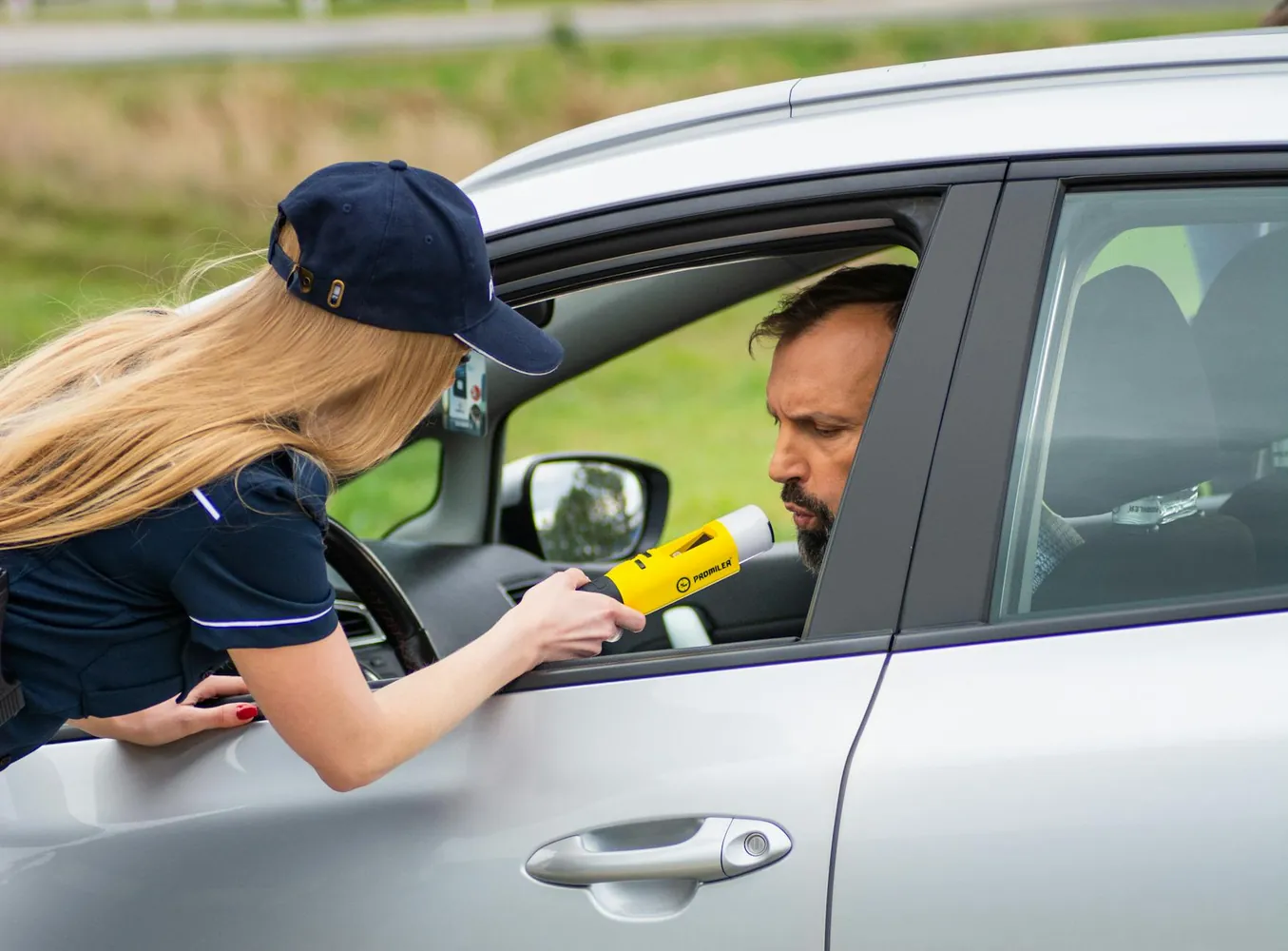
BAC is a critical factor in DUI cases because it provides a quantifiable measure of intoxication. Law enforcement agencies use BAC levels to determine whether a driver is impaired and if legal action should be taken. This measurement is typically obtained through breath, blood, or urine tests administered by police officers during traffic stops.
The Legal Limits Across Different States
In the U.S., the legal BAC limit for drivers over the age of 21 is generally set at 0.08%. However, specific laws and penalties vary from state to state:
- California: A BAC of 0.08% or higher for drivers over 21 can result in a DUI charge, with enhanced penalties for those with higher BAC levels.
- Utah: In December 2018, Utah became the first state to lower its legal BAC limit to 0.05%.
- Arizona: Known for its strict DUI laws, Arizona enforces severe penalties even for first-time offenders with a BAC of 0.08% or more.
For commercial drivers, the legal limit is often lower, typically around 0.04%, due to the increased responsibility and potential danger posed by larger vehicles. For drivers under the age of 21, many states enforce a zero-tolerance policy, where any detectable BAC can result in legal consequences.
The Importance of Accurate BAC Measurements
The reliability of BAC testing methods is crucial in DUI cases. Errors in measurement can lead to wrongful convictions or dismissal of charges. Three common methods of measuring BAC include:
- Breath Tests: Often conducted using a device known as a Breathalyzer. While convenient, these tests can be influenced by various factors such as mouth alcohol from recent consumption, leading to potentially inaccurate results.
- Blood Tests: Considered more accurate than breath tests. They involve taking a blood sample to directly measure alcohol concentration but require medical personnel and are more invasive.
- Urine Tests: Less common due to their potential for inaccuracy, as they measure alcohol presence over a longer time period rather than current impairment levels.
Legal Defenses Based on BAC Discrepancies
Defense attorneys may challenge BAC evidence based on procedural errors or discrepancies in the test results. Here are some common defenses used in DUI cases:
- Questioning Test Accuracy: Attorneys may argue that equipment malfunction or improper calibration led to inaccurate readings.
- Challenging Testing Procedures: If protocol was not followed during sample collection or testing, results might be deemed inadmissible.
- Rising Blood Alcohol Defense: This argument suggests that the defendant's BAC was below the legal limit while driving but rose by the time testing occurred due to continued absorption of alcohol into the bloodstream.
A Case Study: The State v. McNeely
A notable case illustrating the complexities surrounding BAC evidence is State v. McNeely. The U.S. Supreme Court ruled that non-consensual blood tests without a warrant violate the Fourth Amendment unless specific exigent circumstances exist. This case emphasizes the necessity for law enforcement to obtain warrants before conducting invasive BAC tests, thereby protecting individuals' rights against unreasonable searches and seizures.
Practical Tips for Navigating DUI Charges
If faced with a DUI charge based on BAC levels, consider the following steps:
- Consult an Attorney: Seek advice from a lawyer experienced in DUI cases to understand your rights and explore possible defenses.
- Request Full Disclosure: Obtain all records related to your BAC testing, including maintenance logs for testing devices and training records of personnel involved.
- Understand State Laws: Each state has specific laws regarding DUI offenses and potential penalties; familiarize yourself with these regulations to better navigate your case.
The Future of BAC and DUI Enforcement
Technological advancements continue to shape how DUI enforcement is conducted. Innovations such as ignition interlock devices and continuous alcohol monitoring systems offer alternatives to traditional penalties and focus on preventing repeat offenses by actively monitoring alcohol consumption.
Moreover, legislative trends may lead toward stricter regulations and lower legal limits as states like Utah push boundaries on acceptable levels of impairment. Such changes aim to enhance road safety by discouraging impaired driving through more stringent laws and increased public awareness campaigns.
Conclusion
The legal framework surrounding BAC and DUI enforcement plays a crucial role in maintaining public safety on roads. Understanding the intricacies of BAC measurements, legal thresholds across states, and potential defenses against BAC discrepancies are essential for both law enforcement officials and individuals navigating these complex situations. As technology evolves and societal attitudes shift towards greater safety measures, the landscape of DUI enforcement will continue to change, necessitating ongoing education and adaptation from all parties involved.