legal considerations when challenging flawed breathalyzer test results
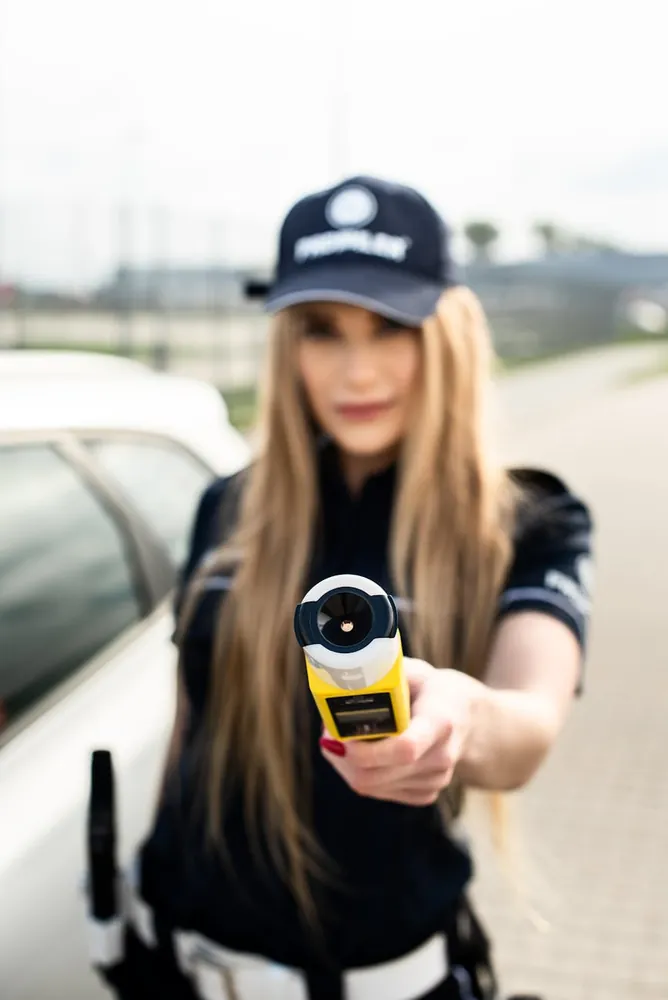
The Importance of Accuracy in Breathalyzer Tests
Breathalyzer tests play a critical role in DUI cases across the United States. They are often relied upon by law enforcement to measure a suspect's blood alcohol concentration (BAC) and form the basis for legal proceedings. However, the accuracy of these devices can be called into question, which can significantly impact the outcome of a case.
Errors in breathalyzer results can arise from various factors such as improper calibration, device malfunction, or environmental influences. These inaccuracies not only have the potential to unfairly penalize individuals but also challenge the integrity of DUI enforcement. As such, understanding the legal avenues to challenge flawed breathalyzer results is essential for those facing DUI charges.
How Breathalyzers Work
To appreciate the potential inaccuracies in breathalyzer tests, it's crucial to understand how they function. A breathalyzer estimates BAC by measuring the alcohol present in a person’s breath. The device typically uses a chemical reaction involving ethanol and an electrode to produce a small current that corresponds to a BAC reading.
This process is inherently subject to several variables:
- Calibration: Regular calibration is necessary to ensure accuracy. Calibration errors can lead to incorrect BAC readings.
- Environmental Conditions: Factors such as ambient temperature and humidity can affect sensor performance.
- User Error: Improper use of the device by law enforcement can result in faulty readings.
Legal Defenses Against Flawed Breathalyzer Results
When challenging breathalyzer results in court, several legal defenses can be employed. It's crucial for defendants and their attorneys to identify the most appropriate strategy based on the specific circumstances of their case.
Calibration and Maintenance Records
An effective defense involves scrutinizing the calibration and maintenance records of the breathalyzer device used during the arrest. Demonstrating that the device was not calibrated according to the manufacturer's guidelines or state regulations can cast doubt on the reliability of the results.
For instance, in a recent case in California, a DUI charge was dismissed after it was revealed that the breathalyzer had not been calibrated for over six months, contrary to regulatory requirements. This lapse was pivotal in convincing the court that the results were unreliable.
Medical and Physiological Factors
Certain medical conditions and physiological factors can lead to elevated BAC readings that are not indicative of actual impairment. For example:
- Diabetes: Individuals with diabetes may have elevated acetone levels, which some breathalyzers may misinterpret as alcohol.
- Diets: Ketogenic or low-carbohydrate diets increase ketone production, potentially affecting BAC readings.
A New York defense attorney successfully argued this point in a DUI case where their client followed a strict ketogenic diet. The elevated ketone levels were shown to have inflated the breathalyzer reading, leading to an acquittal.
Mouth Alcohol Defense
The presence of residual alcohol in the mouth from recent consumption or from mouthwash can skew breathalyzer results. To counter this, law enforcement should observe a 15-minute monitoring period prior to testing. Failure to adhere to this protocol can provide grounds for dismissing or reducing charges.
Consider a scenario in which a Pennsylvania driver challenged her BAC reading by demonstrating that police failed to wait the prescribed observation period after she used mouthwash containing alcohol. The oversight led to her charges being reduced.
State Variability in Breathalyzer Reliability
The reliability standards for breathalyzers vary widely among states, influencing how they are used in court proceedings.
State-by-State Differences
States establish their own regulations regarding acceptable BAC limits, required maintenance schedules, and operator training requirements. While some states have stringent protocols to ensure breathalyzer accuracy, others may lack comprehensive guidelines.
For example, Texas mandates that breathalyzer operators complete extensive training and certification processes, whereas less rigorous standards exist in some other states. Understanding these differences is crucial for crafting a defense strategy tailored to local regulations.
The Role of Precedent
Legal precedents within each state also shape how breathalyzer challenges are handled. Attorneys often refer to previous cases where courts ruled in favor of defendants based on similar inaccuracies, using these rulings as leverage to bolster their arguments.
A notable instance occurred in Arizona, where an appellate court ruled that inconsistencies between two sequential breathalyzer tests conducted minutes apart undermined their reliability. This decision has since influenced numerous DUI cases within the state.
The Importance of Expert Testimony
Expert witnesses are invaluable in cases involving breathalyzer inaccuracies. Their insights into scientific and technical aspects of breath testing can help clarify doubts about device reliability and operational errors.
Choosing an Expert Witness
The selection of a credible expert is critical. Consider professionals with experience in forensic toxicology or individuals who have conducted research on breathalyzer technology. Their testimony can elucidate complex concepts for jurors and judges, making them understand why an error might have occurred.
In a Massachusetts case, an expert's detailed explanation of how certain foods can ferment and produce alcohol within the digestive tract proved instrumental in securing a defendant's acquittal.
Conclusion
Challenging flawed breathalyzer test results requires a comprehensive understanding of both the technology involved and the legal frameworks governing their use. By examining calibration records, considering medical factors, highlighting procedural lapses, and employing expert testimony, defendants can effectively contest inaccurate BAC readings.
The variability in state laws further underscores the importance of crafting defenses that are context-specific and informed by local precedents. With careful preparation and strategic legal approaches, individuals facing DUI charges due to faulty breathalyzer results stand a better chance at achieving just outcomes.