Key Considerations in Estate Planning for Diverse Family Structures
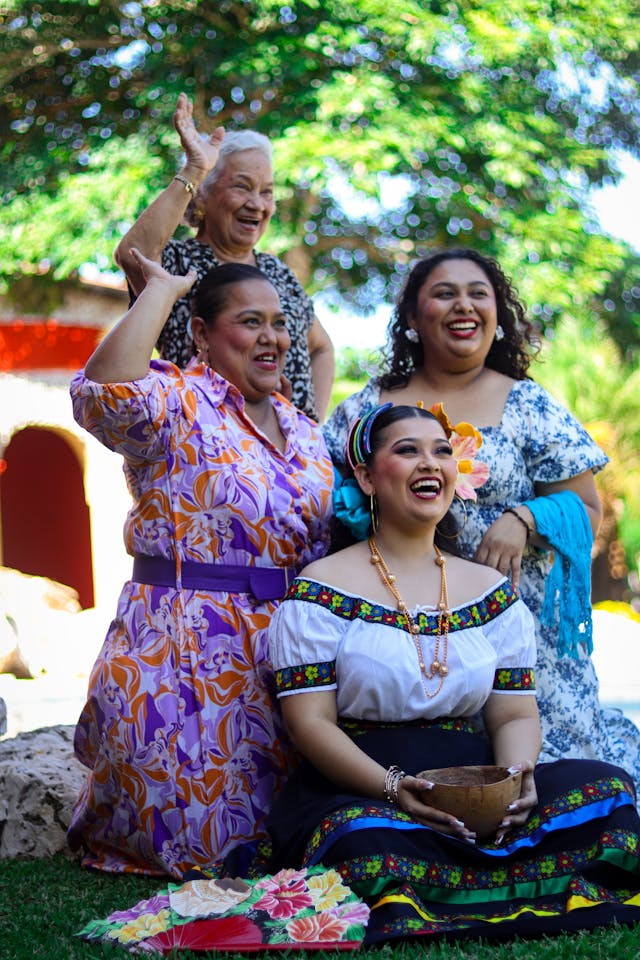
Understanding the Complexities of Blended Families
Blended families, which consist of spouses and children from previous relationships, are becoming increasingly common. With this complexity, comes the need for careful estate planning to ensure fair distribution of assets. Unlike traditional nuclear families, blended families must address unique dynamics that can complicate inheritance and succession.
Estate planning for such families must consider not just legal aspects but also emotional factors that could affect family harmony. It’s vital to acknowledge these intricacies early on and plan accordingly.
Establishing Clear Goals
The first step in crafting an effective estate plan is to establish clear goals. What do you want your legacy to achieve? Is it important to provide equally for all children, regardless of whether they are biological or step-children? Do you intend to protect your new spouse while also ensuring that children from previous marriages receive their share?
- Provide Equitable Support: Decide how you wish to balance support for children from previous relationships with the needs of your current spouse.
- Protect Your Current Spouse: Ensure that your spouse has the resources to maintain their standard of living after your passing.
- Consider Future Generations: Think about how your estate can benefit grandchildren or future descendants.
Legal Instruments to Consider
To accomplish these goals, specific legal instruments can be employed:
Wills
A will is fundamental in estate planning. It allows you to specify exactly how your assets should be distributed upon your death. For blended families, a well-drafted will can prevent potential disputes by clearly outlining each family member’s inheritance.
Trusts
Trusts offer more flexibility than wills and can be particularly useful in blended family scenarios. They can provide income for a surviving spouse while preserving the principal for children from a previous marriage. Consider the following types:
- Revocable Living Trusts: These trusts allow you to manage your assets during your lifetime and dictate distribution after death without going through probate.
- Testamentary Trusts: Established by a will, they only become effective upon your death.
Prenuptial and Postnuptial Agreements
These agreements can pre-emptively address financial concerns by specifying how assets will be divided if the marriage ends or upon death. This clarity can ease tension in blended families.
Addressing State Laws and Their Implications
Laws governing estate planning can vary significantly between states, impacting how assets are distributed if someone dies intestate (without a will). It’s crucial for blended families to understand these laws to ensure that the estate plan aligns with both state regulations and personal wishes.
For example, some states may automatically allocate a portion of the estate to a surviving spouse, which might reduce the share intended for children from previous marriages. Consulting with a local estate attorney can help navigate these complexities.
Communication: The Heart of Successful Planning
Open communication with all family members involved is essential in preventing misunderstandings and disputes later on. Here are some strategies:
- Family Meetings: Regular discussions about your intentions and estate plans can help manage expectations.
- Mediation: In cases where tensions run high, employing a mediator can facilitate productive conversations.
This transparency ensures everyone understands the rationale behind certain decisions and feels respected and considered.
Implementing Estate Planning: A Practical Checklist
To effectively implement an estate plan for a blended family, follow this checklist:
- Consult an estate attorney experienced with blended families.
- Identify and document all assets, including joint properties and individual holdings.
- Create a comprehensive will specifying asset distribution among family members.
- Establish any necessary trusts to manage assets efficiently.
- Review and possibly draft prenuptial or postnuptial agreements.
- Regularly review and update the estate plan as family circumstances change, such as births, deaths, marriages, or divorces.
Case Study: The Bennett Family
The Bennett family provides a practical example of how careful planning can benefit a blended family. After remarrying, John Bennett wanted to ensure his new wife, Emma, was provided for while also safeguarding the inheritance of his two children from his first marriage. By setting up a revocable living trust, he arranged for Emma to receive income from the trust assets during her lifetime, while the principal would pass on to his children upon her death. Additionally, he held open discussions with his family about his decisions, mitigating potential conflict.
Updating Your Estate Plan
An estate plan is not static. Changes in family structure or financial circumstances should prompt a review and potential revision of the plan. Major life events like marriage, divorce, birth of a child, or significant changes in financial status warrant an update to ensure that the plan still aligns with your objectives.
Periodic reviews are recommended at least every five years or sooner if significant changes occur. Doing so helps accommodate shifts in law or personal circumstances and keeps the plan relevant and effective.
Conclusion: Building Peace and Security Through Thoughtful Planning
The goal of estate planning for blended families is not only to distribute assets but also to maintain family harmony and uphold personal wishes. By understanding legal tools, communicating openly with loved ones, and continually reviewing plans, families can ensure a fair and equitable distribution that respects both current partners and children from previous relationships. Taking these steps today lays a foundation for peace and security tomorrow.