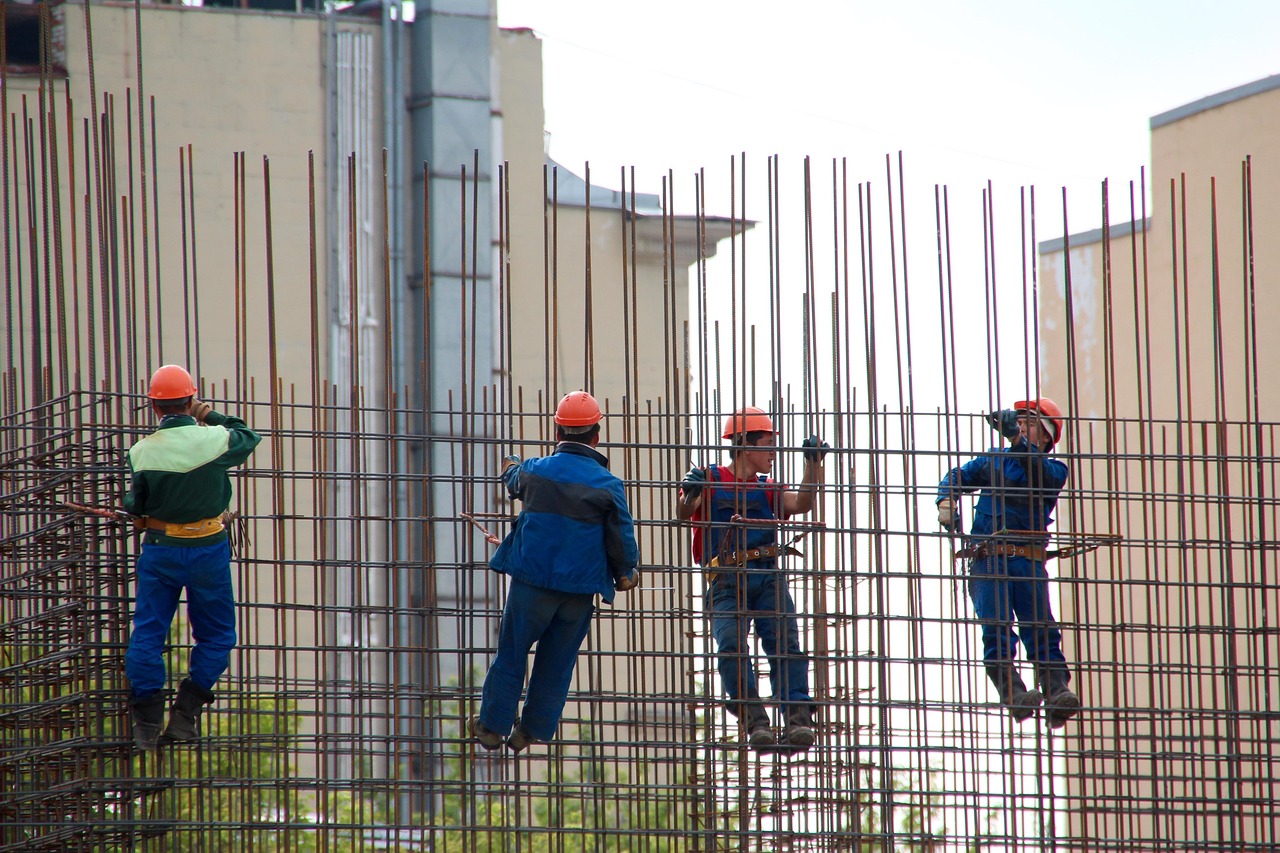
analyzing the relationship between safety standards and injury claim success

The Critical Role of Safety Standards in Workers' Compensation Claims
In the intricate world of workers' compensation claims, especially within factory settings, the adherence to safety standards plays a pivotal role. With industries striving to minimize workplace injuries through rigorous safety protocols, understanding the interplay between these standards and the success of injury claims becomes imperative for both employers and employees.
Safety standards, designed to prevent accidents, also serve as a benchmark in legal contexts. When these standards are upheld, they can significantly impact the outcome of compensation claims, often determining the degree of employer liability and influencing settlement amounts.
Real-World Case Studies: Varied Outcomes Based on Safety Standards
Case Study 1: The Conveyor Belt Incident
Consider a scenario at a manufacturing plant where an employee suffered severe hand injuries due to a conveyor belt malfunction. In this case, it was revealed that the safety guards were missing, a clear violation of OSHA (Occupational Safety and Health Administration) guidelines. This oversight not only led to a successful claim but also resulted in a higher settlement, reflecting the employer's negligence.
The injured worker received a substantial settlement after proving that the absence of required safety measures contributed directly to their injury. This case underscores how crucial adherence to safety standards is—not just for preventing injuries but for defending against potential claims.
Case Study 2: The Protective Gear Dilemma
In another instance, a factory worker experienced chemical burns due to inadequate protective gear. Despite the company's claim that they had provided sufficient training and equipment, the investigation uncovered discrepancies between company policy and actual practice. Here, although personal negligence could be argued, the failure to align with industry-standard safety gear requirements led to a favorable ruling for the claimant.
This case highlights the importance of not only having safety measures in place but ensuring they are practical and in use at all times.
How Safety Standards Influence Claim Success
The outcome of workers' compensation claims often hinges on whether the employer adhered to established safety protocols. Compliance demonstrates a commitment to employee well-being, potentially mitigating claims or reducing settlement amounts.
- Documented Compliance: Employers who maintain thorough records of safety inspections and employee training can use this documentation as evidence to support their defense against claims.
- Proactive Measures: Companies that go beyond minimum safety requirements, investing in state-of-the-art equipment and comprehensive training programs, are often better positioned to defend against injury claims.
The Legal Framework Governing Workers' Compensation Claims
Workers' compensation laws vary by state but generally require employers to provide compensation for work-related injuries regardless of fault. However, these laws also demand that employers adhere to certain safety standards.
Legal frameworks ensure that when employers fail to comply with these safety standards, they may face increased liability, which can lead to higher settlements or penalties. Conversely, compliance can serve as a mitigating factor during legal proceedings.
The Role of OSHA in Determining Liability
OSHA regulations set the minimum safety requirements for workplaces in various industries. Non-compliance can result in fines and affect the outcomes of workers' compensation claims. For instance, if an employer is found non-compliant during an OSHA inspection following an accident, this could significantly influence legal rulings in favor of the injured party.
Practical Tips for Employers: Mitigating Risk and Ensuring Compliance
- Regular Training: Implement frequent training sessions to ensure all employees are aware of and understand safety protocols.
- Routine Inspections: Conduct regular safety inspections and audits to identify potential hazards before they result in injuries.
- Invest in Safety Equipment: Ensure all necessary protective gear is up-to-date and meets current industry standards.
- Documentation: Keep detailed records of all safety procedures, training sessions, and equipment maintenance logs.
By integrating these practices, employers can not only reduce workplace injuries but also strengthen their legal position in the event of an injury claim.
Conclusion: Bridging the Gap Between Safety and Compensation
The relationship between safety standards and workers' compensation claim success is profound. By prioritizing workplace safety and adhering to regulatory standards, employers not only protect their workforce but also mitigate potential financial liabilities. For employees, understanding these dynamics can aid in navigating the complexities of injury claims more effectively. Ultimately, a commitment to safety serves the interests of all stakeholders involved.